Making the Right Investment in Your Property
Vinyl fencing typically costs between $20 and $40 per linear foot installed, depending on style, height, and panel configuration. For a standard 150-foot residential privacy fence in Aiken, that translates to roughly $3,000 to $6,000, making it a mid-range investment. The upfront price reflects the material’s engineering: PVC compounds resist moisture, UV damage, and temperature swings without the ongoing expense of paint, stain, or sealant.
South Carolina’s summer humidity and frequent afternoon thunderstorms create an ideal testing ground for vinyl fencing. Unlike wood, vinyl sheds water rather than absorbing it, so panels stay dimensionally stable and never rot or harbor mold. In the Evans and Augusta areas, where temperatures can swing from freezing winter mornings to 95°F afternoons by late spring, vinyl’s flexibility prevents the cracking that can affect rigid materials. Manufacturers design modern vinyl to expand and contract within the rail system, so posts remain plumb and gates continue to latch smoothly season after season.
Maintenance demands are minimal. An annual rinse with a garden hose removes pollen, dirt, and mildew, and stubborn stains usually yield to a soft brush and mild detergent. You will never sand, prime, or repaint a vinyl fence, which means the labor savings compound over a typical 20- to 30-year lifespan. Homeowners in the region choose vinyl for pool enclosures, backyard privacy, and decorative borders because the material delivers consistent appearance and performance with almost no ongoing cost. If a panel does crack from impact, individual sections can be replaced without disturbing the entire run.
For properties that prioritize curb appeal and low upkeep, vinyl fencing offers a strong balance of initial investment and long-term value. The material comes in a range of styles, from solid privacy panels to picket and semi-privacy designs, so you can match the fence to your home’s architecture without sacrificing durability.
Wood Fencing: Classic Aesthetic with Ongoing Care Requirements
Vinyl fencing typically costs between $20 and $40 per linear foot installed, depending on style, height, and panel configuration. For a standard 150-foot residential privacy fence in Aiken, that translates to roughly $3,000 to $6,000, making it a mid-range investment. The upfront price reflects the material’s engineering: PVC compounds resist moisture, UV damage, and temperature swings without the ongoing expense of paint, stain, or sealant.
South Carolina’s summer humidity and frequent afternoon thunderstorms create an ideal testing ground for vinyl fencing. Unlike wood, vinyl sheds water rather than absorbing it, so panels stay dimensionally stable and never rot or harbor mold. In the Evans and Augusta areas, where temperatures can swing from freezing winter mornings to 95°F afternoons by late spring, vinyl’s flexibility prevents the cracking that can affect rigid materials. Manufacturers design modern vinyl to expand and contract within the rail system, so posts remain plumb and gates continue to latch smoothly season after season.
Maintenance demands are minimal. An annual rinse with a garden hose removes pollen, dirt, and mildew, and stubborn stains usually yield to a soft brush and mild detergent. You will never sand, prime, or repaint a vinyl fence, which means the labor savings compound over a typical 20- to 30-year lifespan. Homeowners in the region choose vinyl for pool enclosures, backyard privacy, and decorative borders because the material delivers consistent appearance and performance with almost no ongoing cost. If a panel does crack from impact, individual sections can be replaced without disturbing the entire run.
For properties that prioritize curb appeal and low upkeep, vinyl fencing offers a strong balance of initial investment and long-term value. The material comes in a range of styles, from solid privacy panels to picket and semi-privacy designs, so you can match the fence to your home’s architecture without sacrificing durability.
Aluminum Fencing: Lightweight Durability and Minimal Upkeep
Installing a fence is one of the most significant investments you can make for your property, and understanding the costs upfront helps you plan with confidence. Whether you’re looking to enhance privacy, secure your yard, or boost curb appeal, choosing the right material, vinyl, wood, or aluminum, comes down to balancing your budget, maintenance expectations, and long-term value.
In the Aiken area, homeowners and business owners frequently weigh these three materials because each offers distinct advantages depending on how you use your property. Climate matters here: our warm summers and occasional storms influence how each material performs over time. Let’s break down what you can expect to pay and what you’ll get in return.
Vinyl fencing typically runs between $20 and $40 per linear foot installed, making it a mid-to-high initial investment. The appeal? Virtually zero maintenance. Vinyl won’t rot, warp, or require painting, and it holds up well against our humid conditions. It’s an excellent choice for privacy fence installation when you want a clean, uniform look that lasts without the upkeep. Expect to see slight color fading after many years of sun exposure, but modern vinyl formulations resist this far better than older versions.
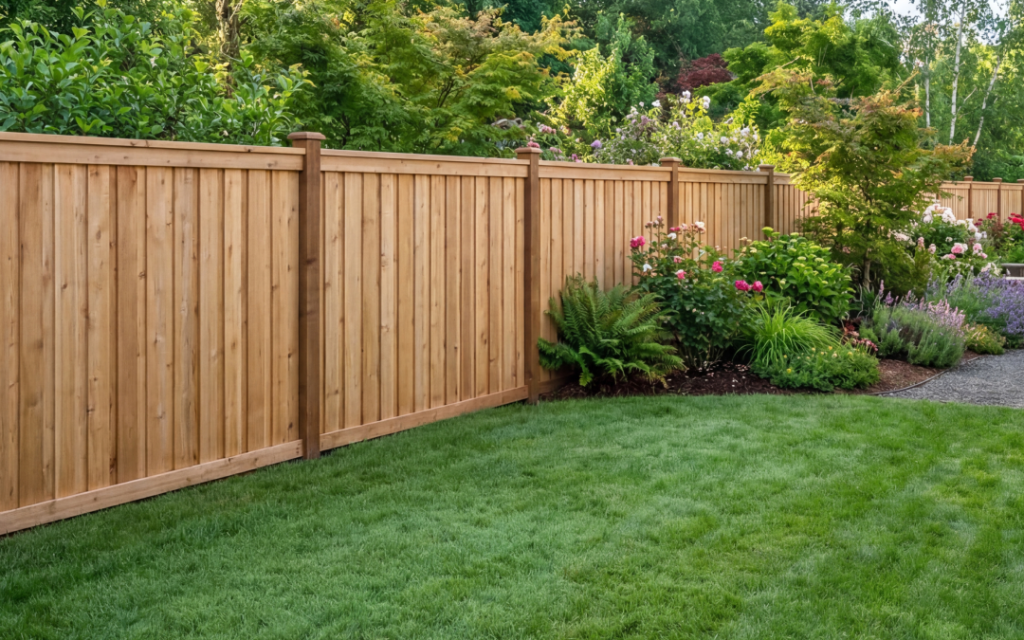
Wood fencing remains the most traditional option, with costs ranging from $15 to $30 per linear foot depending on the wood type. Pressure-treated pine sits at the lower end, while cedar and redwood command premium prices for their natural resistance to decay and insects. Wood offers unmatched aesthetic warmth and flexibility, you can stain, paint, or leave it to weather naturally. However, it requires regular maintenance: sealing or staining every two to three years to prevent rot and insect damage. In the Aiken climate, untreated wood can deteriorate faster, so budget for ongoing care. Many clients appreciate that wood can be repaired board by board, spreading repair costs over time rather than replacing entire sections.
Aluminum fencing generally costs between $25 and $45 per linear foot installed, positioning it as a premium choice. It delivers the look of wrought iron without the rust concerns, making it ideal for properties where appearance and durability matter equally. Aluminum stands up to our weather exceptionally well, no warping, no rotting, and minimal maintenance beyond occasional cleaning. It’s a popular option for pool fence installation because it meets safety codes while maintaining visibility and elegance. The tradeoff? Aluminum offers less privacy than solid vinyl or wood panels, so it works best when security and aesthetics outweigh privacy needs.
Beyond material costs, installation factors significantly affect your total investment. Gate additions typically add $200 to $800 depending on size and hardware. Terrain plays a role too, sloped or uneven yards require more labor and additional materials, which can increase costs by 10 to 20 percent. Permit requirements in the Aiken region vary by jurisdiction, and while many residential projects don’t require permits, commercial properties and fences over certain heights often do. A qualified fence contractor will handle these details, ensuring your project meets local codes from the start.
Height and style choices also influence pricing. Standard four-foot fences cost less per foot than six-foot privacy designs, and decorative elements like post caps, lattice tops, or custom picket spacing add to both material and labor expenses. When planning your budget, think about the fence’s purpose: a simple boundary marker requires far less investment than a full privacy enclosure or ornamental statement piece.
Maintenance costs over time shift the value equation. Vinyl and aluminum require almost nothing beyond periodic washing, while wood demands regular sealing, staining, and occasional board replacement. Over a 20-year lifespan, wood maintenance can add $2,000 to $4,000 to your total cost, depending on how diligently you maintain it. Vinyl and aluminum, by contrast, hold their appearance with minimal intervention, making them lower lifetime investments despite higher upfront prices.
Longevity matters too. Vinyl fences typically last 20 to 30 years, aluminum can exceed 30 years with proper installation, and well-maintained wood fences often reach 15 to 20 years before requiring significant repairs or replacement. If you plan to stay in your home or commercial property long-term, calculating cost per year of service provides a clearer picture than the initial invoice alone.
For properties in the Aiken area, consider how each material performs in our specific conditions. Vinyl resists the humidity that can warp wood, aluminum won’t corrode in our occasional heavy rains, and treated wood performs well when maintained but needs attention in our climate. Choosing the right material for your environment isn’t just about cost, it’s about ensuring your investment delivers the performance and appearance you expect year after year.
If you’re weighing your options and want guidance tailored to your property’s specific needs, our team can walk you through material choices, design possibilities, and accurate cost estimates. We work with homeowners and businesses throughout Aiken, Evans, Augusta, and surrounding areas, providing fence installation services that match your goals and budget. Reach out at 706-830-0331 or visit our contact page to schedule a consultation and get a detailed quote for your project. Whether you’re leaning toward the low-maintenance appeal of vinyl, the natural beauty of wood, or the elegant durability of aluminum, we’ll help you make the right investment in your property.
Total Cost of Ownership: Installation, Maintenance, and Replacement
Material and labor quotes tell only part of the story. Site preparation, permit fees, and long-term replacement cycles all influence the true cost of a fence. In Aiken and the surrounding areas, rocky soil and clay composition can increase excavation time and require augered post holes or concrete footings, adding $5 to $10 per post. If your property has significant grade changes, stepped panels or custom racking will increase both material waste and labor hours, sometimes by 15 to 20 percent.
Permit requirements vary by jurisdiction. The City of Aiken and Aiken County typically require permits for fences over six feet or those installed within setback zones, and fees range from $50 to $150 depending on project scope. Plan reviews can add a week or two to your timeline, so factor that into your schedule if you need the fence completed before a specific date. Some homeowners associations in Evans and Martinez impose additional design standards, material restrictions, or approval processes that can delay installation or limit your material choices.
Lifecycle cost is where vinyl and aluminum pull ahead. A wood fence that costs $4,000 installed may require $500 in maintenance every three years, totaling $2,500 over 15 years before the fence reaches end-of-life and demands replacement. A vinyl fence at $5,000 installed incurs almost no maintenance expense and lasts 25 years, bringing the total cost to $5,200 after one hose-down per year. An aluminum fence at $6,000 installed lasts 30 years with zero meaningful upkeep, for a total lifecycle cost of $6,100. When you divide total cost by years of service, aluminum and vinyl often deliver better value than wood, especially for homeowners who prefer to invest time in their families and hobbies rather than fence maintenance.
Real-world examples from the region illustrate these differences. A 200-foot cedar privacy fence installed in North Augusta required complete board replacement after 12 years due to rot and insect damage, costing the homeowner another $4,500. A vinyl privacy fence installed in Graniteville at the same time still looks new after 18 years, with only routine cleaning. For a detailed estimate tailored to your property, soil conditions, and material preferences, contact a local fence contractor for a site evaluation.
Matching Material to Climate, Budget, and Property Use
Your choice of fence material should align with your property’s use, your maintenance preferences, and the specific environmental challenges of the Aiken region. If you prioritize low upkeep and consistent appearance, vinyl fencing offers the best balance of cost and convenience. The material thrives in South Carolina’s humid summers and mild winters, and it never demands the seasonal maintenance that wood requires. For families with pools, pets, or young children, vinyl’s smooth surface and lack of splinters make it a practical, safe choice.
If you value natural aesthetics and are willing to invest time in routine care, wood fencing delivers warmth and versatility that synthetic materials cannot match. Cedar and redwood hold up better than pine in the region’s high humidity, but all wood fences need regular sealing to prevent moisture infiltration and termite damage. Soil conditions around Aiken and Evans can retain moisture after heavy rains, so keeping fence boards elevated above grade and ensuring proper drainage will extend the life of any wood installation. If your property includes gardens, mature trees, or rustic landscaping, a well-maintained wood fence can enhance the overall character of your home.
Aluminum fencing suits properties where visibility, security, and curb appeal must coexist. The material’s open design allows airflow and sightlines while still defining property boundaries and deterring trespass. For commercial properties, pool enclosures that must meet local safety codes, or front yards where an ornamental look is desired, aluminum provides a durable, refined solution. The powder-coat finish resists the UV damage that fades painted steel, and the material’s resistance to rust makes it ideal for low-lying areas or properties near irrigation systems.
Climate and soil are not the only considerations. If you plan to sell your home within five to ten years, a new fence can boost resale value and curb appeal, but only if it suits the neighborhood’s character and the buyer’s expectations. In subdivisions with predominantly vinyl or aluminum fencing, a wood fence may look out of place, and vice versa. For rural properties, farm fencing in treated wood or coated wire may be more appropriate than ornamental aluminum. Take time to walk your property line, note sun exposure and drainage patterns, and think about how you will use the fenced area before committing to a material.
We can help you choose the right fence for your property, budget, and long-term goals. Whether you need privacy fence installation, a decorative border, or a secure enclosure, a site visit allows us to assess soil conditions, grade changes, and any site-specific challenges that might affect cost or installation method. Contact us to schedule a consultation and receive a detailed estimate tailored to your project.